Sunday, 25 September 2011

Mega Mendung: Gradation of Clouds メガムンドゥン:雲のグラデーション

A series of typhoons hitting Japan for the past few weeks brought heavy rains and strong winds throughout Japan, causing damages and deaths.. In my house, it caused leaks on the roof of the bedroom next to mine. On the second floor, strong winds and heavy rains pushed water to go inside through window frames, leaving ugly looking water mark on the shoji screens.. I am really glad and grateful that we are fine and I am praying for those who are still suffering from the aftermath of the typhoons... I really hope they will get over this tough time with flying colors...

ここ数週間いくつか台風が日本を襲って、その激しい雨と風とでたくさんの被害が出ました。亡くなった方もいらっしゃいました。うちの家では、私の部屋の隣の部屋が、雨漏りしました。二階では、激しい暴風雨のためにどこかから水が入り込んだようで、障子には水滴の跡がついてしまいました。それ以外は、幸いうちは無事だったので、被害に会われた方には、心からお見舞い申し上げたいと思います。

As the typhoons had gone, came brilliant blue sky and cottony fluffy clouds.. (⌒_⌒)

台風一過、明るい青空と綿のような雲が、帰って来ました。

sky and cottony fluffy clouds above Kurayoshi city
倉吉市の空と、綿のような雲


I upload this photo on Facebook and many of my friends expressed their amazement of how brilliant and soothing the blue sky is and how cottony and fluffy the clouds are. Someone said that he wished he could lied down on the clouds. The others said the clouds reminded them of cotton candy.

この写真をフェイスブックにアップロードすると、たくさんの友達が、この明るくて柔らかな青空とふんわりした雲に、びっくりしたようです。綿飴のようだ、と言った友達もいました。

Clouds stir human's imagination. Have you ever lied down on the grass looking up to the sky and watching the clouds intensely? And you noticed an interesting or even amazing shape?? Some people have taken photos of amazing shapes of clouds: a dog, a horse, a face and many more. Check out this link for more of incredible shapes of clouds:
http://scienceray.com/earth-sciences/meteorology/10-amazing-cloud-shapes/
The most amazing one is probably how it comes into shape:

雲は、人間の創造力を掻き立てます。草原に寝転がって空を見上げて、雲をじっと眺めたことがありますか?ユニークで、そして時にはびっくりするような、その形に気づいたことがありますか?中にはこんなびっくりするような形の雲を、写真に収める人もいます(「びっくりするような雲の形10選」)。犬だったり、馬だったり、顔だったり、いろいろです。最も驚くべきなのは、多分、それが形を成す瞬間でしょうね。


In many cultures, religions, beliefs, art around the world, clouds have significant roles and symbols. In Japanese mythology, Izumo (which means where the clouds were born) was the realm of gods, where Japanese mythology began. Susanoo was the brother of the goddess Amaterasu. He was banished from Heaven to Izumo upon his dispute with his sister. There, he helped save a princess from an eight-headed snake serpent. In Judaism and Christianity, the cloud pillar of Yahweh led the Israel out of Egypt to Canaan. In Greco-Roman mythology, clouds are thought to be the homesteads of the gods. Therefore, the shapes of clouds were seen as the bearers of divine messages such as bad news (storm clouds) and good news (white fluffy clouds). For the Mesopotamian and Egyptians, the cloud represented creation, fertility, divine power, and protection.  In China and India, images of the gods and goddesses were accompanied by clouds. In the "Journey To the West" (a classic novel in Chinese literature), Bodhisattva Guan Yin always appeared traveling on a cloud to give guidance to the Buddhist monk Xuanzang in his search of the sacred texts (sutras).

世界中の多くの文化・宗教・信仰・芸術の中で、雲は特別の役割を担っていたり、またはシンボルだったりします。日本の神話では、出雲(その意味は、文字通り『雲が生まれる場所』です)は神の国とされ、神話発祥の地です。スサノオは女神アマテラスの弟です。彼はアマテラスと喧嘩をしたことで罰として天界を追放され、出雲へとやって来ました。そこで彼は、ある姫を、八つの頭を持つ大蛇ヤマタノオロチから助け出しました。ユダヤ教やキリスト教では、創造神ヤハウェが作り出した雲の柱の導きによって、イスラエルの民はエジプトを脱出し、カナンの地へと赴きました。ギリシャ・ローマ神話では、雲は神の御殿として描かれます。つまり、雲の形というのは、悪いものであれ(嵐の時の雲)、良いものであれ(真っ白な綿のような雲)、神聖なメッセージを伝える媒体なのです。メソポタミアやエジプトでは、雲は、創造性、豊かさ、聖なる力、そして神の加護を体現します。中国やインドでは、神や女神の像には、雲はつきものです。『西遊記』(中国の伝奇小説)では、観世音菩薩は雲に乗って、ありがたい仏典を求めて旅をする僧・玄奘三蔵を、天竺へと導きます。

Clouds on "The Disputation of The Sacrament": one of the paintings in the Vatican. It's by Raphael.
ラファエロ作『聖体の論議』に見られる雲(バチカン宮殿「ラファエロの間」蔵)


Deities in Chinese mythology
中国の神話の神々


Mount Olympus: where the Greek deities reside
ギリシャの神々が住むというオリンポス山

Despite the presence of clouds in paintings, very few cultures actually apply clouds on the design of their textiles for their auspicious meaning. Chinese and Japanese textiles, for example, have long used them on their textiles.

絵画では雲が多く描かれるにもかかわらず、なぜか織物の世界で雲が吉兆の意味をもって描かれるというのは、そう多くはありません。しかし、例えば中国や日本では、長い間、雲の絵柄は織物に利用されてきました。


Chinese Imperial Robe with rich clouds pattern
中国の皇帝が着ていたローブ(豊かな雲のパターンが見られます)

Japanese kimono with clouds pattern
雲の模様の入った日本の着物


The ancient agrarian society of western Java too had long considered the significant of clouds in their life. Clouds especially rainclouds brought water to their rice fields. More rain meant more crops and good harvest. Thus, rainclouds suggested fertility and life. As such, they depicted clouds as their batik design. One famous design emerged from the city of Cirebon

古代の西部ジャワの農耕社会でも、雲というのは(特に雨雲は)水田に雨をもたらす貴重な存在と考えられてきました。雨が降れば降るほど、豊かな作物が得られるのです。このように雨雲というのは、肥沃さと生命の象徴なのです。そして彼らはそれを、バティックのデザインにも応用しました。最も有名なデザインは、チルボンのそれです。

The city of Cirebon, once a prominent Kingdom in the western Java had been influenced by many cultures for their port was frequented by many traders and sailors from many parts of the world. Sunan Gunung Jati, one of the nine Moslem apostles who spread Islam in Java who was also the founder of the city married a Chinese princess. This allowed Chinese culture to influence the palace of Cirebon alongside with its predecessors, Hinduism and Islam.

かつては西部ジャワの有名な王国であったチルボンという街は、港町でもあるために、世界中からやってくるたくさんの貿易商人や船乗りたちの影響を受けてきました。ジャワにイスラム教を広めた9人の使徒の一人であるスナン・グナン・ジャティは、この街の創建者でもあり、彼は中国人の后を持ちました。そのためにチルボンの王宮には、それ以前のヒンドゥーやイスラムだけではなく、中国の影響も見られるのです。

the infamous Mega Mendung: beautiful batik design from the city of Cirebon
チルボンの有名なバティックのデザイン「メガムンドゥン」


Visit my facebook fan page for posts, give-away contests, and Q &A

Thursday, 11 August 2011

New Collection of Batik One Piece 新しいバティックワンピース

Jawaneko Art's new collection of batik one piece is made of batik from the city of Garut, West Java. Just as most of batik from West Java, batik from Garut has very cheerful color palette and patterns. The designs of Batik Garut are usually geometric, flora, and fauna on clean backgrounds.

ジャワネコ・アートの新作バティックのワンピースは、西部ジャワのガルットを用いました。西部ジャワのほとんどのバティックと同じく、ガルットもとても明るい図柄を使います。ガルットのバティックはたいてい、無地の上に幾何学的だったり、植物模様だったり、動物の絵柄が載ったりします。

Batik Garutan with soft color palette. The patterns are geometric, fauna and flora. The dress is suitable to be worn in the summer and it looks very cool and lovely.
柔らかな色合いの生地の上に載ったバティック・ガルタンの柄。幾何学パターンに動植物の絵柄です。夏にぴったりの涼しげで可愛い作品です。


More selection is below. The price is different because the one above has more elaborate design.

次の作品です。手の込んだ上の作品よりは、お手ごろなお値段となっています。

Color: Pink and White.
色:ピンクと白

Color: Blue.
色:青

Size:
Bust: 96 cms
Length: 94 cms

If you're interested, please contact Yuichi Nakahara (in Japanese):tenketsu_therapy@yahoo.co.jpor me: jawanekoart@hotmail.com (in English) 
*Updated information: This dress has been sold.*  
Visit my facebook fan page for posts, give-away contests, and Q & A.  

My Model モデルさん

Finally after very long absence due to unbearable heat (とても暑い日本は)...

めちゃくちゃ暑かったので更新も止まっちゃいました。

And finally I found someone who agrees to become the model of my batik collection yaaaay ヾ(@^▽^@)ノ  I'd been thinking a lot of how to improve my collection visually. I had a mannequin already but still a mannequin does not give 'soul' to the clothes it wears. Then my husband suggested that I asked ms. Kazuko (和子さん) if she would like to do that. She is my husband's friend who belongs to a kind of performing group. I was soooo glad that she was really thrilled with the idea of modeling batik clothes. She looks really pretty in her batik one-piece

ついに私のバティック・コレクションのモデルになってくれる人を見つけました。ずっと私は、自分のコレクションの見栄えをよくするにはどうしたらよいだろうかと考えてきました。マネキンは持ってはいたのですが、マネキンでは服に魂を吹き込むのは土台無理な話です。そこで旦那が、あの和子さんはどうだろうか、と言いました。彼女はある劇団に参加している旦那の友達です。彼女はモデルに挑戦するのは面白そうだ、と考えてくれたようで、私はとてもうれしかったです。バティックのワンピースを着ると、彼女はとても可愛いです。

和子さん in batik one piece


Friday, 8 July 2011

嬉しかった (@^▽^@) Feedback from First Customer 最初のお客さんからのお返事

This morning as I logged in on my Etsy shop. I got a message from my first customer a weeks later after the batik arrived. I had been waiting anxiously for her reaction. And I was so delighted to hear that she liked it very much (@^▽^@) ahhh sooo happy and relieved.. 嬉しかった。

今朝私のEtsyのショップにログインすると、最初のお客さんがバティックが到着してから一週間後に送ってくれたメッセージが届いていました。彼女の反応を私は、ずっと今か今かと待っていました。そして、彼女が私のバティックを気に入ってくれたことを知って、とてもうれしくなりました。

This is her message:

これがいただいたメッセージです。


For the past few weeks I'd been a bit downhearted because of no more new sales. I'd been wondering what I was doing wrong. But her message has cheered me up (@^▽^@)

ここ数週間、あまり売り上げが伸びなかったので、ちょっとへこんでいました。何かおかしなことをしていないだろうか・・・。でも彼女のメッセージを見て、元気が出ました。

Running a business is tough and I must get used to it. I hope the universe conspire to help me (^▽^).....

ビジネスをするのはとても難しいけど、がんばりたいです。

Thursday, 7 July 2011

ばいやくすみ!! SoLD!! ヾ(@^▽^@)ノ

今日シャツが一枚売れました ヾ(@^▽^@)ノ  嬉しかった!!

Today one shirt was sold at my mother in-law's shop! I was so happy ヽ(^◇^*)/

今日義理のお母さんのショップでシャツが売れました!やった!

I have just started this business and am still learning a lot about market's reaction. It's been slow progress. Sometimes I feel a bit frustrated but I'm trying my best to keep my chin up! I LOVE batik and I'm determined to make lots of people see the beauty of batik ヽ(^◇^*)/

私はこのビジネスを始めたばかりなのでお客様の反応をもっと知らなくてはいけないな、と思っています。少しずつの前進です。時々自信をなくすけれど、前向きに行かねば!私はバティックが大好きだし、もっとたくさんの人にバティックの美しさを知ってもらいたいです。

頑張ります! Ganbarimasu!


ばいやくすみ SOLD ヽ(^◇^*)/

Wednesday, 6 July 2011

Of Indian influence on Indonesian Batik インドネシアのバティックへのインドの影響

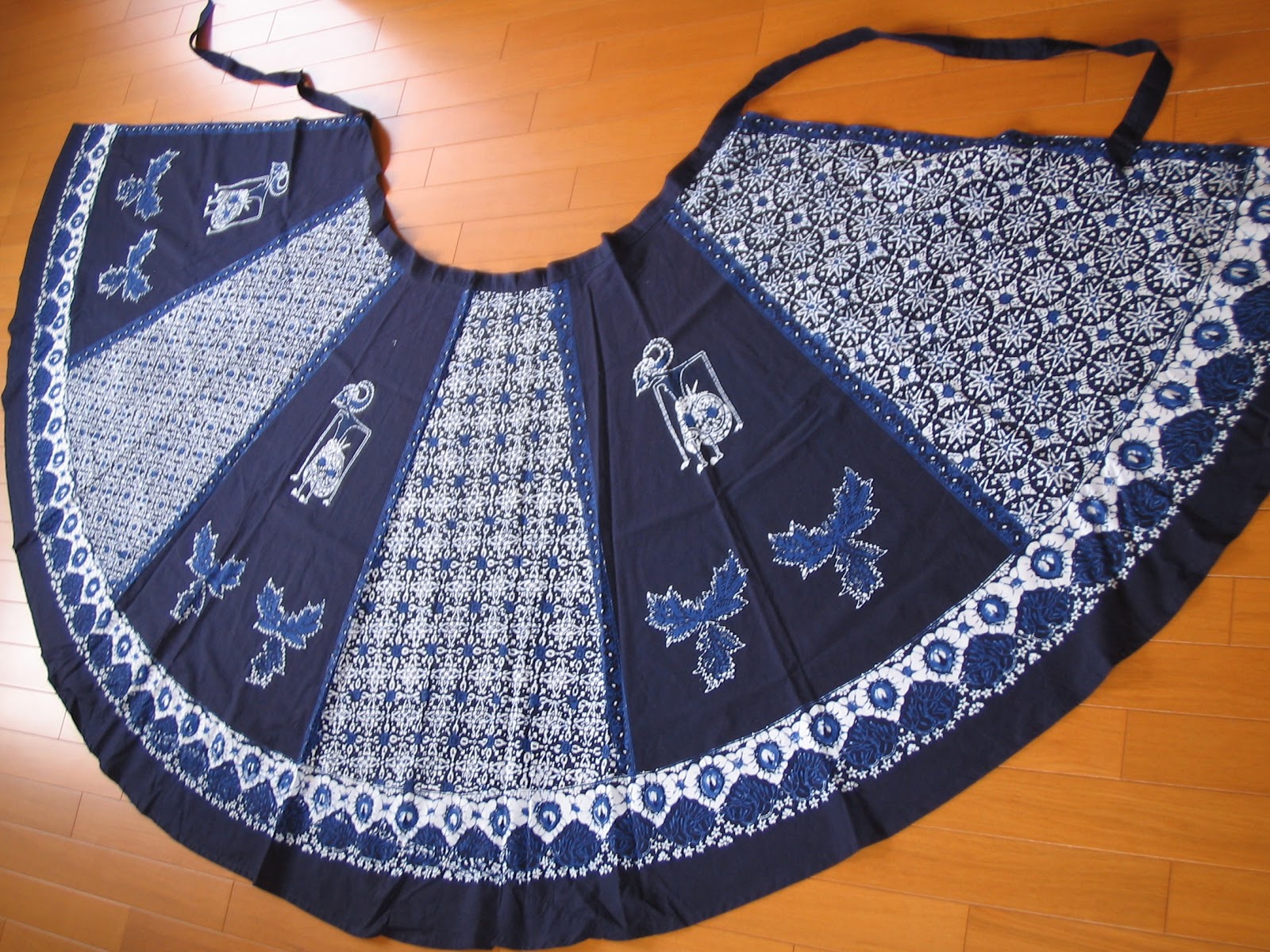
These are two wrap skirts I have upload on my Etsy shop.

これらは、私がEtsyのショップにアップロードした、二つのラップスカートです。

http://www.etsy.com/listing/77326608/hand-drawn-batik-wrap-skirt-with-patola

What make these two special is the pattern. This batik design is known as Jlamprang  or Jelamprang which is characterized by a wide range of geometric designs in the form of circular rosettes, padma or lotus, stars or other small shapes arranged in symmetric pattern on the cloth. The design is probably the remaining evidence of Indian influence on Indonesian Batik.

ユニークなのは、パターンです。このバティックのデザインは、ジランプラン、あるいはジェランプランとして知られていて、円形のバラやハス、星やその他の小さな形が対称的に散りばめられたデザインに、その特徴があります。多分これは、インドのインドネシア・バティックへの影響の名残だと考えられます。

Situated in a calm Java sea, the Java's north coast was on the trade route between Cairo and Nagasaki, Lisbon and Macao, London and the Moluccas, Amsterdam and Makasar, making it a highly profitable trade area. For two thousands years the island attracted sailors and merchants from all parts of the word to trade  an abundance of goods from Asia, Europe, and Africa..  Cloves and nutmeg from the Spice Islands were traded for tea, silks, porcelains, and opium from China; for cinnamon from Ceylon; for camphor from Siam; and bright patterned cloth from India.

穏やかなジャワ海に面しているせいもあって、ジャワの北海岸は、カイロや、長崎や、リスボンやマカオ、ロンドンやモルッカ、アムステルダムやマカッサルなどを結ぶ航路となり、貿易も盛んに行われました。200年もの間、島は世界中の船乗りや商人たちを魅了し、彼らはアジア、ヨーロッパ、アフリカから豊富にもたらされる品々を、取引しました。香辛料が取れる島から持ち込まれるクローブやナツメグは、中国からやってくるお茶、シルク、磁器、アヘン、セイロンからやってくるシナモン、サイアムからやってくるカンフル、インドからやってくる明るい図柄の着物と、取引されました。

Two types of trade textiles from India were painted, resist-dyed cottons particularly from the Coromandel coast and the woven silk, double-ikat patola パトラ)cloths from Western India (Gujarat). In the beginning only the higher rank of Javanese society could afford patola パトラ)since it was highly expensive.

インドからやってくる二種類の生地とは、主にコロマンデルからの手描きの綿製品、そしてインド西部(グジャラッチ)からのシルクの織物、パトラなどでした。最初ジャワ社会でもてはやされたのはパトラで、たいへん高価なものでした。

The beautiful design of patola パトラ)inspired the batik artists of the pasisir (which means coastal and was used to name the areas of Java's north coast) to use the design as batik design.

パトラの美しいデザインは、パシシール(この言葉はもともと"海岸"という意味ですが、慣用的にジャワの北海岸を指しました)のバティック・アーティストに影響を与え、彼らはそのデザインを、バティックに応用しました。

The pioneers were the Arab and Chinese batik entrepreneurs of the pasisir, particularly since the pasisir was the meeting point for merchants, men of religions and travelers, it became sort of a melting pot. Unlike the batik artisans of the Principalities (Yogyakarta and Surakarta), restrictions were almost unknown to the cosmopolitan ones of the pasisir.. They felt free to create designs that expressed their free spirit. As Inger McCabe say in the prologue of her Batik. Fabled Cloth of Java: "The batik artists of Java's north coast splash their colors with controlled and uncontrolled abandon."

その先駆者は、アラブや中国の商人たちでした。パシシールは商人や宗教、旅行者の出会うところで、それはさながら、るつぼのようでした。ジョグジャカルタやスラカルタのような権威のあるところのバティック・アーティストと違い、パシシールのような国際都市に住む人間にとっては、制約というものはありません。彼らは自由に、自分の自由な精神を表現することが出来ました。インガー・マカビーがその著書『バティック~ジャワの伝説の着物』の冒頭で書いているように、「ジャワの北海岸のバティック・アーティストは、時には落ち着いて、時には奔放に、彼ら自身の色をほとばしらせたのです」。

The Jelamprang or Jlamprang is said to have started in the city of Pekalongan(プカロンガン) which is one of the prominent batik producing areas in Java.

ジェランプラン、あるいはジランプランは、プカロンガンという都市の語源とも言われています。そしてプカロンガンは、今ではジャワの有名なバティック生産地の一つです。

Jelamprang or Jlamprang design on the skirt
スカートのジェランプラン(ジランプラン)模様


Overall design
オーバーオールのデザイン

wrap skirt
ラップスカート


As one piece
ワンピースとして

Jelamprang design alternating the image of wayang or shadow puppet
ジェランプランがインドネシアの影絵劇ワヤンと交互に描かれています


Jlamprang in indigo
インディゴカラーのジランプラン

Image of Wayang
ワヤンの像


as one piece
Sources: Batik Fabled Cloth of Java (Inger McCabe Elliott)
             Fabric of Enchantment. Batik from the North Coast of Java.
             Batik Drawn in Wax

Visit my facebook fan page for posts, give-away contests, and Q & A.

Monday, 4 July 2011

From Jane Austen to Sir Thomas Raffles ジェーン・オースティンからトマス・スタンフォード・ラッフルズへ

Are you an Austen's fan? I am (゜ー゜*) Which of these two lines is better, do you think?

あなたはオースティンのファンですか?私はそうです。次の二つのセリフのうち、どちらの方がお好きですか?

"...you were the last man in the world whom I could ever marry"


「あなたは私が結婚したいと思った最後の人でした」


 Pride & Prejudice (高慢と偏見) BBC 1996


OR

...you were the last man in the world whom I could ever be prevailed upon to marry"


「あなたは私が結婚したいと思わせられた最後の人でした」


Pride & Prejudice (高慢と偏見) 2005


Personally I think there's not much difference. Both actresses (Jennifer Ehle in BBC 1996's Pride & Prejudice and Keira Knightley's Pride & Prejudice 2005) demonstrate how powerful Elizabeth rejects Mr. Darcy's (played by Oscar winner Collin Firth in BBC's Pride & Prejudice and Matthew Macfadyen in 2005's Pride & Prejudice). This legendary battle of the sexes has inspired so many tales of love (movies or novels) where love between a man and a woman grows out of quarrels and (maybe) hatred in the beginning. And yet, it's Austen's Pride & Prejudice is what I like the most.

個人的に言えば、大して違いはありません。二人の女優(1996年BBCのジェニファー・エール、2005年のキーラ・ナイトリー)が、エリザベスがダーシー(BBCでは、オスカー受賞者のコリン・ファース、2005年版では、マシュー・マクファディン)を拒否する場面を演じています。この伝説の喧嘩は多くの恋愛物(映画にしろ小説にしろ)の源泉となり、それは男女の愛というものが喧嘩を通じて育まれたり、あるいは(多分)嫌いという感情から始まることもある、ということを示していたりします。私が好きなのは、オースティンの原作の方なのですが。

But I'm not going to talk about Pride & Prejudice this time. Today while watching BBC 1996's Pride & Prejudice (probably this is the hundredth time), the sight of Mr Darcy reminds me of a famous figure. Perhaps his outfit or his hairdo or the way he stands. I was curious to see the connection so I goggled and found some particularly interesting things. Jane Austen and this guy lived almost at the same era - the regency era. This guy was born 6 years after Jane was. And more interestingly, this guy's middle name was also the name that Jane used in Pride & Prejudice!! (@゜o゜) This famous figure is no-one but Sir Thomas Stamford Bingley Raffles (born on 6 July 1781 and died on 5 July 1826).

でも私はここで、『高慢と偏見』について語りたいわけではありません。今日1996年のBBC版(多分100回以上見ていますけれども)の中のダーシーの姿を見て、ある有名な肖像を思い出したのです。多分彼の服装、髪型、あるいは立ち方を見たからでしょうね。とても興味を持ったのでその関連について調べてみると、とても面白いことがわかりました。ジェーン・オースティンとこの人物は、ほぼ同時期(イギリスの摂政期)に生きていたのです。この人物は、ジェーンの6年後に生まれています。さらに興味深いことには、この人物のミドルネームは『高慢と偏見』の中でジェーンが用いていたものと同じなのです。この人物は、誰あろう、トマス・スタンフォード・ビングリー・ラッフルズ卿(1781年7月6日~1826年7月5日)です。


 Sir Thomas Stamford Bingley Raffles or we often call Sir Thomas Raffles was a British statesman and also best known as the founder of the city of Singapore (now Republic of Singapore). During the Napoleonic war, he led the British army to defeat the Dutch and the French in Java. He was appointed Lieutenant-Governor of Java and took his residence in Buitenzorg (now the city of Bogor).


トマス・スタンフォード・ビングリー・ラッフルズ卿、あるいはしばしばトマス・ラッフルズ卿と呼ばれるこの人物は、イギリスの政治家ですが、もっとも有名なのは、彼がシンガポール市(現在のシンガポール)の建設者だ、ということです。ナポレオン戦争時、彼はイギリス軍を率いてジャワでオランダ・フランス連合軍を撃破しました。彼はジャワの準知事に任命され、ブイテンゾルグ(現在のボゴール市)に居を構えました。
A memorial to Olivia Mariamne Raffles. Raffles' first wife when he was ruling Java. This memorial was built in National Botanical Gardens.This garden is now known as Bogor Botanical Gardens.
ラッフルズがジャワを統治していた時の最初の妻であるオリビア・マリアンヌ・ラッフルズの記念碑。この記念碑は国立植物園に建設された。この庭園が現在のボゴール植物園である。


During his governorship, Raffles did a lot of things to improve the conditions in Java such as ending the slave trade, opposed to the opium trade, and replaced the Dutch forced agriculture. From cultural side, he led an expedition to rediscover and restore Borobudur and other ancient monuments. In science, his interest in botany inspired him to turn the Bogor Palace's courtyard into a classic English style garden which began the history of Bogor Botanical Gardens. And last but not least,  the monumental History of Java.

彼の統治時代、彼は、奴隷貿易の廃止、アヘン貿易への反対、オランダによる農業への強制労働を廃止するなど、ジャワの状況を改善するために、様々な改革を行いました。文化面では、ボロブドゥールなどの古代遺跡の発見と調査を指揮しました。科学面では、植物学への興味から、ボゴールにあるパラスの宮殿を英国風の庭園に作り直し、それが現在のボゴール植物園の始まりとなりました。最後ですがとても重要なのは、『ジャワの歴史』という貴重な書物の出版です。

Raffles wrote and published History of Java in 1817 after he had returned to England. To this date it is still one of the major resources for historians who are interested in the history of Java. It contains invaluable information of the life in Java at that time:  its people, culture, religions, arts and crafts, and even batikバティック).

ラッフルは、イギリスに帰還した後の1817年、『ジャワの歴史』という本を書き、出版しました。今日までその本は、ジャワの歴史に関心のある歴史家の、重要な情報源となっています。この本は当時のジャワの生活に関する、とても貴重な情報を含んでいます。人、文化、宗教、芸術、工芸・・・、そしてとりわけ、バティック。

He was the first Westerner to have written about batik. He described the process of making batikバティック)in details - tools, methods, dyes. He explained the many ways of wearing it as well as the number of designs. He also wrote which batik patterns were designated to upper classes in the society. Although he didn't write extensively about batikバティック)in his book, I think Sir Thomas Raffles took a great part in introducing batikバティック) to the Western world.

彼はバティックに関する記録を残した、最初の西洋人なのです。彼はバティックの製作過程を、詳細に記述しています。道具、やり方、染め方・・・などなど。彼はたくさんのデザインだけではなく、その身に着け方についても説明しています。彼はまた、どのバティックのパターンが上流階級のものであるか、についても書いています。彼のバティックに関する記述は広範囲ではありませんが、トマス・ラッフル卿が西洋世界へのバティックの紹介に関して多大な貢献をしたことは、間違いないことなのです。

Visit my facebook fan page for posts, give-away contests, and Q & A.