One of the Indonesian dishes that I miss the most is potato croquettes.
I have tried Japanese croquettes or コロッケ that I bought from supermarket. It's not bad. But I find Japanese croquettes too plain despite the minced meat in them. Perhaps they don't add enough spices (according to my opinion). I think that having grown up in the spice islands, I can't live without spices.
Spices on potatoes are yummmm!! You don't even need meat to make croquettes delicious. Just spices. My mum used to add corned beef. But I prefer just potato as the main ingredient.
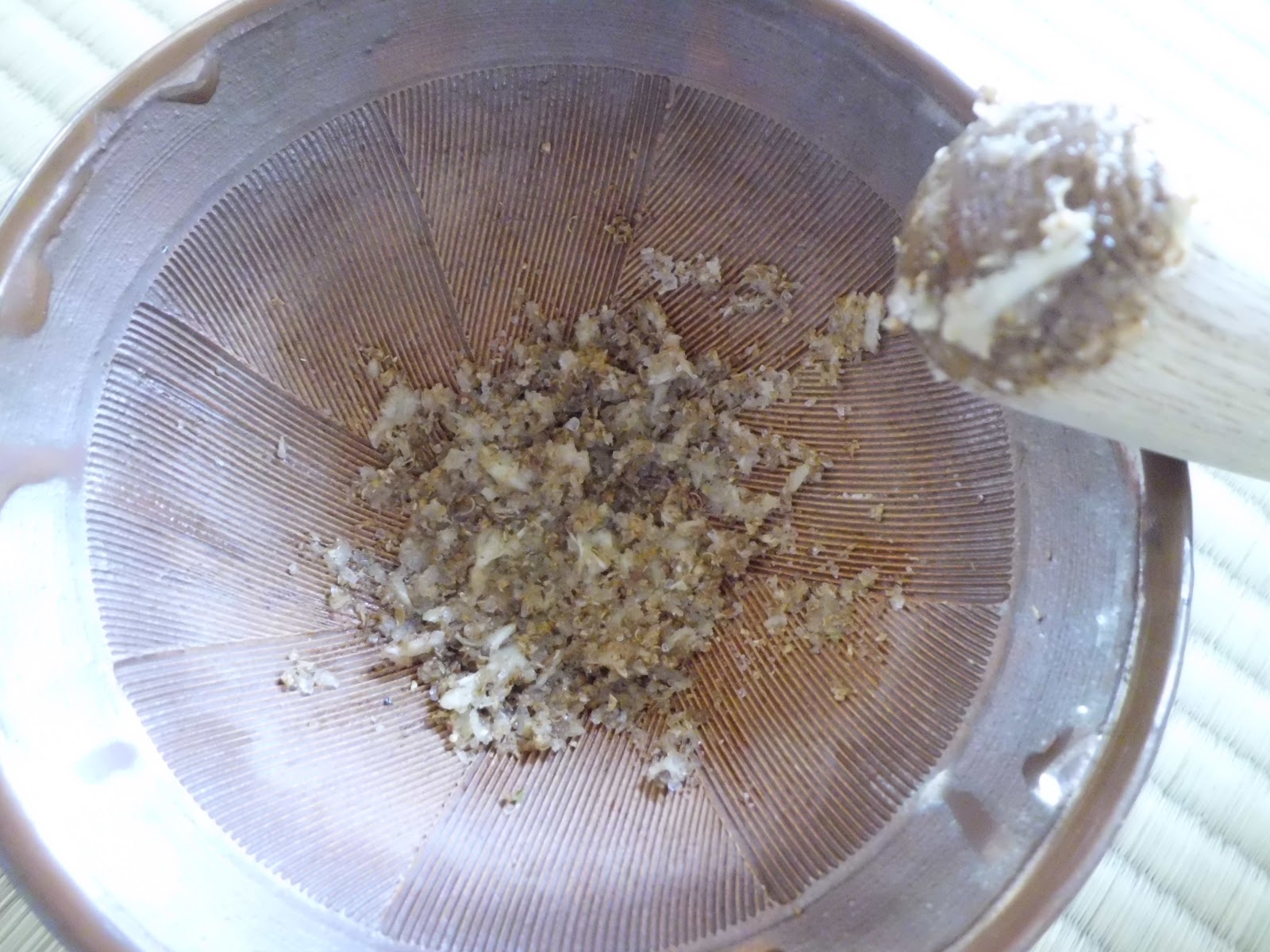
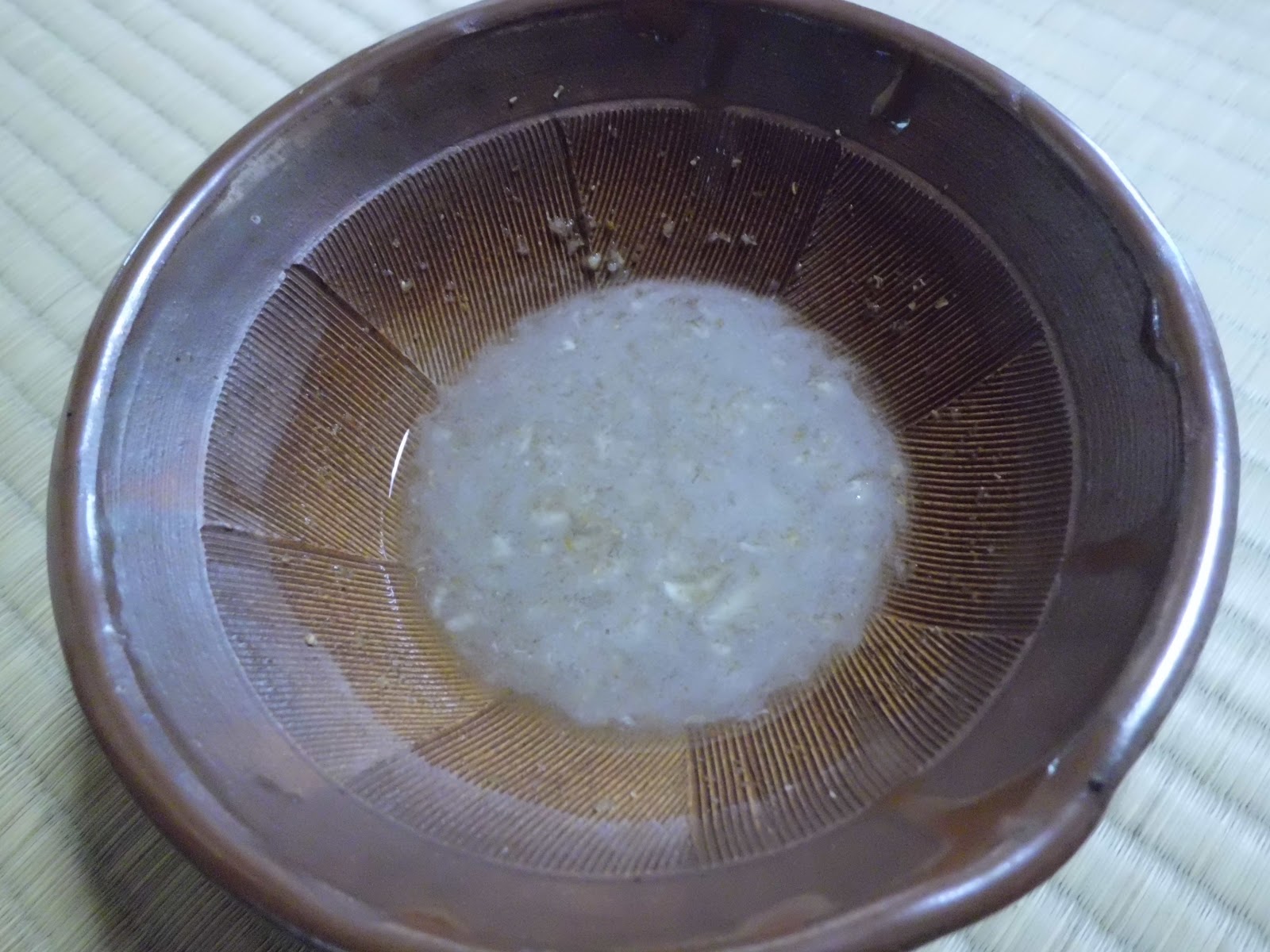
So what are the spices? Garlic, pepper and nutmeg. Yes, only these spices can make meatless croquettes so delicious!
I tried to make Indonesian potato croquettes when I just arrived in Japan and was so homesick of Indonesian food. But I failed. The reason was that I didn't realize how different potatoes in Indonesia and those in Japan are. In Indonesia potatoes are more starchy and contain less water. So when you shape the mashed potato into a ball or patty shape, it holds its shape perfectly when you are frying it. No need to coat it with bread crumbs, just dip it in beaten egg and fry. The croquette will not crumble while being fried. While potatoes in Japan contains more water. The good thing is that Japanese potatoes don't take longer time to cook. But since it contains more water, it's hard to keep the croquette shape while being fried. So when I tried to make croquettes a la Indonesia, all the croquettes fell apart.
Just a week ago, I attempted to make potato croquettes again after over 6 years since my first attempt. And I did it! Yaaay!
So I'd like to share a simple recipe of Indonesian potato croquettes. But I can't determine the exact amount of each ingredient. I always go with what I think is enough. For example, I love garlic so I like to add lots of garlic and pepper. So feel free to improvise.
For the main ingredient, you need some potatoes. Here I use 5 - 6 medium size potatoes. I simply wash them clean and steam them with the skin on. This is different from the way we do in Indonesia where we peel the potatoes, cut them roughly into four and fry them. This doesn't work with potatoes in Japan because frying makes the potatoes more watery. Also potatoes must be steamed with the skin on, so don't peel before steaming them. It takes 15 - 20 minutes perhaps to steam the potatoes. When they're cooked, cool them and peel the skin with hand. No need knife. The skin comes off by itself. Then cut the potatoes before mashing them. Add some flour in the mashed potato if you think the texture is still too watery.
After that, prepare the other ingredients such as minced garlic, some pepper, some salt, some nutmeg, an egg and some fried onion (this one is optional. I just love to add it as that's how my mum did when she taught me how to make potato croquettes). The amount? hmm well if you don't like garlic, maybe just 1 - 2 cloves. I like garlic so I use 3 so that my croquettes taste garlicky :) As for salt, pepper and nutmeg. You can add them little by little. As you are mixing them with the mashed potato, taste a little to know whether it is to your liking.
When you've got the taste that you like, shape the mashed potato into ball or patty shape. Prepare a beaten egg in a small dish.
Heat some oil in the frying pan. Dip the croquettes in the beaten egg to
coat before frying them. Fry them until golden brown. Take them out and
set them on oil paper towel. And your potato croquettes are ready.
Hope you like this version of potato croquettes!
インドネシア嫁 ジャワから日本へ From Java to Japan. An Indonesian wife in Japan, tsumami zaiku and crochet crafter.
Showing posts with label From My Kitchen. Show all posts
Tuesday, 25 October 2016
Wednesday, 5 November 2014
Vegan/Vegetarian Tofu Spinach Potstickers
I've been an on-and-off vegetarian since I moved to Japan. I was a vegetarian back in my home country in Indonesia. But in Japan, I found it a bit hard to become a vegetarian. Mainly because the vegetable protein is quite expensive in comparison to that in Indonesia. For example tempeh. I always love tempeh and used to eat that on daily basis in Indonesia but in Japan, it's kind of luxurious.
Fortunately there thousands of vegan/vegetarian recipes on the net, which I can easily adjust and improvise. One of them is tofu spinach potstickers.
I've always loved potstickers! Can't get enough of them. I just LOVE dumplings.
I've been making different types of potstickers or dumplings. My most favorite ingredients for the filling are shitake mushroom, cabbage, and tofu. Sometimes I use the inggredients alternately e.g. mushroom and cabbage, mushroom and tofu, cabbage and tofu.
I just got a lot of vegetables from my mother in-law. I got carrots, broccoli, Chinese cabbage, and many more. I also got some spinach. I always get home with a lot of vegetables whenever my husband and I pay a visit to my parents in-law for dinner.
Anyway, I was going to make tofu cabbage potstickers when I saw the horenzo or Japanese spinach in the kitchen. I thought why not making tofu spinach potstickers?
I got this recipe TOFU and SPINACH Potstickers.
But I made some changes in the recipe. I didn't use frozen but fresh spinach. I also didn't add soy sauce, scallions, or Worcestershire sauce. I also didn't prepare any sauce. My husband and I seldom need dipping when we eat potstickers.
So this is the recipe. The filling is just enough for maybe 34 - 40 potstikers depending on the size of your wonton skin. I have difficulty guessing how much ginger needed as some people might LOVE ginger and some might not so. So you can always add the amount of ginger according to your taste. And another difference is that I add ground sesame instead of sesame oil.
Ingredients:
400 gr (14 ounces) of firm tofu crumbled (if the tofu is not firm enough, you can get the water out by wrapping the tofu in a cloth and press)
200 gr (7 ounces) of chopped spinach
2 cloves of garlic, finely chopped
1" ginger, finely chopped
1 - 2 tablespoons of flour
1 - 2 teaspoons of ground sesame
1.5 teaspoons of salt. (or 1 teaspoon if you want to eat the potstickers with dipping sauce.
Wonton skins
1. Mix well all the ingredients.
2. Stuff the wonton skins with the filling. Check here on how to wrap the filling. Wonderful and easy technique.
3. Prepare a skillet and add a little oil and fry the potstickers. Don't let potstickers burn (though I sometimes do ha ha ha). Just fry until they're slightly brown on each side.
Now the potstickers are ready!Sorry for the not-so-good photo! But the taste is yummy!
Friday, 15 June 2012
Tempe (Part 1) 美味しいテンペの作り方
One of the interesting things about living overseas is that you start to value things that you take for granted in your home country.
海外で暮らすことの面白い点の一つは、自分の国で当たり前だと思っていた物事の価値を、改めて見直すことです。
Take an example: food. It's common when you are in your home country, you don't finish your meal (for being too full perhaps) and you just throw it away without feeling guilty (or just a little bit of it). There's plenty of this food in the country so we often don't think much before throwing it away. But when you're in a foreign country, this particular food is immensely valued for its rarity. You look for it, search, hunt..You pay a great amount of money for just a tiny amount of this food. Then you start to realize how valuable this food is..
例えば、食べ物。自分の国に住んでいれば、お腹がいっぱいになったなどの理由で食べ物を残したり、あるいは捨てたりすることに対して、申し訳ない、と感じたりすることは、あまりないかも知れません(あるいはあったとしても、ほんの少しだったりします)。自分の国にはこの食べ物はたくさんあるのだから、と、それを省みることは、あまりなかったりします。でも、もし外国に住んでいれば、この食べ物は、とても貴重になります。なぜならそれは、めったに見られない食べ物に変貌するからです。このちっぽけな食べ物を手に入れるのに、たくさんお金を払わなければならないかも知れません。そのとき初めて、この食べ物が貴重なものであったと、知ることになるのです。
In my case, it is TEMPE or TEMPEH.
私の場合、それはテンペでした。
This molded soy bean foodstuff is served almost daily at the dining table of almost every household in Indonesia. It's kind of like misoshiru to Japanese. We, Indonesian, eat tempe everyday. It's cooked in 1001 ways. Fried, steamed, stir-fried. Served it as part of daily meals or as snack.
この発酵豆食品であるテンペは、インドネシアではほとんど毎日のように、食卓に上るものです。日本の味噌汁みたいなものですね。私たちインドネシア人は、テンペを毎日食べます。1001通りもの調理の仕方があります。揚げたり、蒸したり、混ぜ合わせてからフライにしたり・・・。三度の食事の他に、おやつとしても食べられます。
In Indonesia, it doesn't cost much to buy tempe. Here, in Japan it costs me over several hundreds yen to get about 300 gr of tempe. It's like 10 times!!! Given the price, I treasure tempe like I never did before.
インドネシアでは、テンペはそんなに高くありません。でもここ日本では、300グラムのテンペを手に入れるのに、数百円以上かかったりします。約10倍です!こうしてテンペは、今の私にとって、宝物になってしまったのです。
I made the best of my visit to Tokyo last month by shopping at Toko Indonesia Okubo. It's a shop selling Indonesia's foodstuff and other South East Asian's. It's located near Okubo station, Tokyo. I bought 3 chunks of tempe. I was so happy!! It's like finding a treasure!
幸運にも先月、私は上京して、大久保にある『トコ・インドネシア』で買い物をしました。そこでは、インドネシアやその他の東南アジアの食材を、簡単に手に入れることができます。東京の大久保駅のすぐ近くですね。私はテンペを、3パック買いました。嬉しい!それは宝物を見つけたようなものでした。
How do I cook tempe?
さて、どうやってテンペを料理しようか?
This is the simplest way of cooking tempe: deep-frying it.
最も簡単なテンペの料理の仕方、それは、フライです。
I'm going to share this simple recipe. Easy and delicious!
それでは、レシピをご紹介しましょう。簡単でおいしいですよ!
Ingredients:
About 300 gr of tempe
1 clove of garlic ground
a teaspoon of coriander seeds
salt
water
<材料>
300グラムのテンペ
にんにく一片
コリアンダー小さじ一杯
塩
水
First peel the garlic, chopped and grind it using stone grinder if you have it. since I don't have a stone grinder either, I use goma suri. It looks like this.
まずにんにくの皮をむき、それを千切りにして、もしあれば石臼で挽きます。うちには石臼がないので、胡麻すりを使います。こんな感じです。
Then add some water.
次に水を加えます。
Now take the tempe.
さあ、テンペの出番です。
Slice the tempe thinly about 3 mm or as you like.
テンペを厚さ3ミリ程度に、あるいはお好みに合わせてスライスします。
After that marinate the slices of tempe in the mixture. And leave them for about 15 - 30 minutes depending how you like it. I like it with strong saltiness and coriander flavor. So I usually soak them for 30 minutes.
そしてそれを、マリネに漬けます。15分から30分、それもお好みです。私は少々塩味でコリアンダーの風味が効いている方が好みなので、大抵30分くらい漬けます。
Then what is left is frying it. Deep fry it until golden brown.
後はそれを、フライにするだけです。黄金色になるまで、しっかりフライします。
Prepare some oil paper sheets to absorb the oil. Put the fried tempe on the sheets.
油を吸収するペーパーを、あらかじめ用意しておいて下さい。そのシートに、テンペをのせます。
And finally the simplest fried tempe is ready. Served with piping hot rice. Yummmm!! Bon apetit! Itadakimasu! Selamat makan! :-)
ついにテンペ・フライの出来上がりです。熱いご飯と一緒に召し上がれ。うーん、おいしい!いただきます!
海外で暮らすことの面白い点の一つは、自分の国で当たり前だと思っていた物事の価値を、改めて見直すことです。
Take an example: food. It's common when you are in your home country, you don't finish your meal (for being too full perhaps) and you just throw it away without feeling guilty (or just a little bit of it). There's plenty of this food in the country so we often don't think much before throwing it away. But when you're in a foreign country, this particular food is immensely valued for its rarity. You look for it, search, hunt..You pay a great amount of money for just a tiny amount of this food. Then you start to realize how valuable this food is..
例えば、食べ物。自分の国に住んでいれば、お腹がいっぱいになったなどの理由で食べ物を残したり、あるいは捨てたりすることに対して、申し訳ない、と感じたりすることは、あまりないかも知れません(あるいはあったとしても、ほんの少しだったりします)。自分の国にはこの食べ物はたくさんあるのだから、と、それを省みることは、あまりなかったりします。でも、もし外国に住んでいれば、この食べ物は、とても貴重になります。なぜならそれは、めったに見られない食べ物に変貌するからです。このちっぽけな食べ物を手に入れるのに、たくさんお金を払わなければならないかも知れません。そのとき初めて、この食べ物が貴重なものであったと、知ることになるのです。
In my case, it is TEMPE or TEMPEH.
私の場合、それはテンペでした。
This molded soy bean foodstuff is served almost daily at the dining table of almost every household in Indonesia. It's kind of like misoshiru to Japanese. We, Indonesian, eat tempe everyday. It's cooked in 1001 ways. Fried, steamed, stir-fried. Served it as part of daily meals or as snack.
この発酵豆食品であるテンペは、インドネシアではほとんど毎日のように、食卓に上るものです。日本の味噌汁みたいなものですね。私たちインドネシア人は、テンペを毎日食べます。1001通りもの調理の仕方があります。揚げたり、蒸したり、混ぜ合わせてからフライにしたり・・・。三度の食事の他に、おやつとしても食べられます。
In Indonesia, it doesn't cost much to buy tempe. Here, in Japan it costs me over several hundreds yen to get about 300 gr of tempe. It's like 10 times!!! Given the price, I treasure tempe like I never did before.
インドネシアでは、テンペはそんなに高くありません。でもここ日本では、300グラムのテンペを手に入れるのに、数百円以上かかったりします。約10倍です!こうしてテンペは、今の私にとって、宝物になってしまったのです。
I made the best of my visit to Tokyo last month by shopping at Toko Indonesia Okubo. It's a shop selling Indonesia's foodstuff and other South East Asian's. It's located near Okubo station, Tokyo. I bought 3 chunks of tempe. I was so happy!! It's like finding a treasure!
幸運にも先月、私は上京して、大久保にある『トコ・インドネシア』で買い物をしました。そこでは、インドネシアやその他の東南アジアの食材を、簡単に手に入れることができます。東京の大久保駅のすぐ近くですね。私はテンペを、3パック買いました。嬉しい!それは宝物を見つけたようなものでした。
How do I cook tempe?
さて、どうやってテンペを料理しようか?
This is the simplest way of cooking tempe: deep-frying it.
最も簡単なテンペの料理の仕方、それは、フライです。
I'm going to share this simple recipe. Easy and delicious!
それでは、レシピをご紹介しましょう。簡単でおいしいですよ!
Ingredients:
About 300 gr of tempe
1 clove of garlic ground
a teaspoon of coriander seeds
salt
water
<材料>
300グラムのテンペ
にんにく一片
コリアンダー小さじ一杯
塩
水
First peel the garlic, chopped and grind it using stone grinder if you have it. since I don't have a stone grinder either, I use goma suri. It looks like this.
まずにんにくの皮をむき、それを千切りにして、もしあれば石臼で挽きます。うちには石臼がないので、胡麻すりを使います。こんな感じです。
| Garlic, coriander seeds and salt are ground into paste. にんにく、コリアンダー、塩をペースト状にします |
Then add some water.
次に水を加えます。
| It will look like this. こんな感じ。 |
さあ、テンペの出番です。
| The spongy cottony tempe. This is about 300 gr. スポンジみたいにやわらかいテンペ。これで300グラム程度です。 |
テンペを厚さ3ミリ程度に、あるいはお好みに合わせてスライスします。
| As you cut it, the tempe reveals its soy beans. テンペを切ると、大豆が現れます。 |
そしてそれを、マリネに漬けます。15分から30分、それもお好みです。私は少々塩味でコリアンダーの風味が効いている方が好みなので、大抵30分くらい漬けます。
| Marinated. 漬けるとこんな感じ。 |
後はそれを、フライにするだけです。黄金色になるまで、しっかりフライします。
Prepare some oil paper sheets to absorb the oil. Put the fried tempe on the sheets.
油を吸収するペーパーを、あらかじめ用意しておいて下さい。そのシートに、テンペをのせます。
And finally the simplest fried tempe is ready. Served with piping hot rice. Yummmm!! Bon apetit! Itadakimasu! Selamat makan! :-)
ついにテンペ・フライの出来上がりです。熱いご飯と一緒に召し上がれ。うーん、おいしい!いただきます!
| The simplest way to enjoy tempe ^o^ テンペ楽しむ簡単なやり方! |
Thursday, 5 April 2012
Martabak ベジタリアン・マルタバの作り方
![]() |
| My home-made martabak. I did an experience by adding carrots :D. And some were nearly burnt ha ha ha! 私の自家製マルタバ。ニンジンも加えてみました。いくつかはこげちゃいましたけれども(笑)。 |
前回マルタバについて書きましたが、今回はレシピをご紹介したいと思います!
I've made some modifications such as, instead of making the pastry by myself, I use ready-to-use spring roll wraps that we can get at the supermarket or Asian food stores. And instead of minced beef or chicken I use tofu since I'm a lacto-ovo vegetarian (meaning I mainly eat non-meat stuff but I still consume eggs and dairy). If you are a non-vegetarian, feel free to use any kind of meat that suits your taste.
ただし、ちょっとだけカスタマイズしました。皮を自分で作るのではなく、スーパーマーケットやアジアン食材店で手に入る、春巻の皮を使います。そしてミンチの牛肉や鶏肉を使うのではなく、豆腐を使います。なぜなら私は、ベジタリアンモドキ(肉は食べないのですけれども、卵と乳製品は食べるからです)だからです。もしあなたがベジタリアンでないのならば、お好みに合わせて肉類を使って頂いて結構です。
Ingredients:
12 spring roll sheets (size about: 20x20 cm)
1 pack of tofu (about 300 gr), crushed or 100 gr minced beef or minced chicken
2 - 3 eggs beaten loosely (I use 1 egg, because my husband is not an egg person :D )
3 chopped leeks or 10 chopped spring onions ( I prefer spring onions but leeks will do nicely too)
1 onion, chopped
a half teaspoons of crushed coriander seeds (this is optional. If you use beef or chicken, it is not necessary to add coriander seeds but if you use tofu, coriander will make your martabak much tastier)
a half teaspoons of white pepper
salt and sugar to taste
Cooking oil for frying
<材料>
・春巻の皮12枚(サイズは大体、20cm×20cm)
・豆腐1パック(300g程度)、または100g程度のミンチの牛肉または鶏肉
・卵2-3個をよくかき混ぜる(因みにうちでは、卵1個です。なぜなら旦那が、卵が苦手だからです)
・ネギ3束または葉タマネギ10束(私は葉タマネギがお好みですが、ネギでも美味しいです)
・タマネギ一個をみじん切り
・コリアンダーの種を小さじ半分(これはオプションです。もし牛肉や鶏肉を使うなら、いらないと思います。でも豆腐を使うなら、コリアンダーを使った方が美味しくなります)
・白コショウ小さじ半分
・お好みに応じて塩と砂糖
・フライするための油
How to make the stuffing :
1. Saute onion in a frying pan.. When the onion becomes aromatic, add the crushed tofu or minced beef or minced chicken and followed with crushed coriander seeds. Add salt and sugar and keep stiring until it slightly dries and the water reduced. Since tofu contains a lot of water, if you use tofu, it takes a while the tofu forms slightly dry chunks. While beef or chicken might not.
2. Turn to slow heat and add the beaten egg/s and chopped spring onions. Stir thoroughly. Then turn off the stove.
<具の作り方>
1.タマネギをフライパンでいためます。香ばしい香りがしてきたら、つぶした豆腐か、ミンチの牛肉か鶏肉、つぶしたコリアンダーを加えます。塩と砂糖を加え、水気がなくなるまでかき混ぜます。豆腐をお使いであれば、豆腐から水気がなくなるまで少し時間がかかるかも知れません。牛肉や鶏肉はそうでもありませんが。
2. 弱火にして、かき混ぜた卵と葉タマネギを加えます。どんどんかき混ぜます。そして火を止めます。
How to make the martabak:
1. Take one spring roll sheet on a large plate. Place two spoonfuls of the stuffing on the sheet. And fold the sheet the way you fold an envelope. The idea is to form a square. Dip your finger in a water and rub it on one edge of the sheet to seal. Just like when you seal an envelope. This will prevent the stuffing from bursting out while being fried.
2.Fry each of martabak in a frying pan until golden brown.
<マルタバの作り方>
1. 春巻の皮を取って、大きな皿に載せます。そして大さじ二杯分の具を取って、皮に載せます。それを封筒のように包みます。理想的な形は、四角です。指に水をつけてそれを皮のふちにつけて、貼り合わせます。封筒のようにです。こうすることで、フライしている最中に具がはみ出すのが防げます。
2. それぞれのマルタバを、黄金色になるまでフライします。
Eat martabak while it's piping hot with your favorite sauce. I grew up with chilly sauce so I like dipping it in chilly sauce. Hot and sour pickles will make a great accompaniment.
お好みのソースをつけて、熱いうちに召し上がれ。私はチリソースで大きくなったので、チリソースをつけるのが好きです。辛くて酸っぱいピクルスも、良く合いますよ。
Enjoy! (^__^)/
Subscribe to:
Posts (Atom)